Wasps & Bees Control Guide
How to tell wasps and bees apart, when DIY nest removal is safe, and why bees deserve a different approach.
Recommended Wasp & Bee Control Products
-
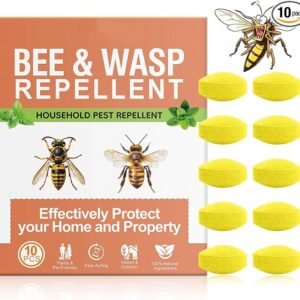
10-Pack Outdoor Wasp and Bee Repellent Deterrents
£12.99 Buy Now -
Sale!
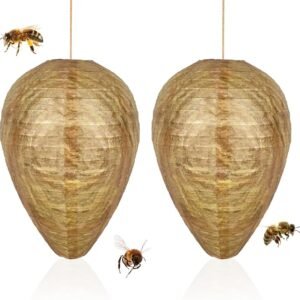
2-Pack Hanging Fake Wasp Nest Decoys, Waterproof Wasp Repellent for Outdoor Gardens
Original price was: £6.59.£5.99Current price is: £5.99. Buy Now -
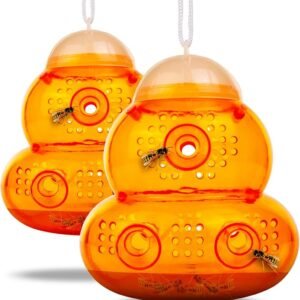
2-Pack Reusable Wasp Traps for Yellow Jackets and Hornets
£17.00 Buy Now -
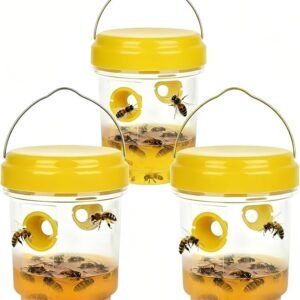
3-Pack Reusable Hanging Wasp Traps for Indoor & Outdoor Use
£10.99 Buy Now -
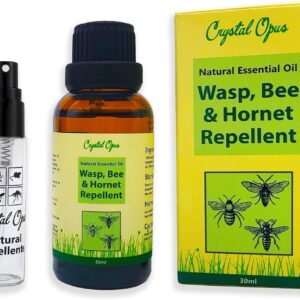
Wasp, Bee & Hornet Repellent Spray – Concentrate Makes 10+ Litres | 100% Natural Essential Oil Blend
£9.99 Buy Now -
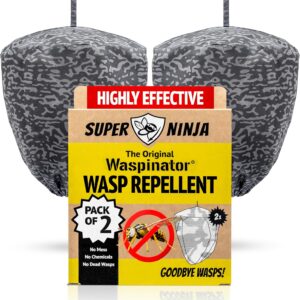
Waspinator Wasp Nest Decoy – 2 Pack | Waterproof Outdoor Wasp Repellent for Patios & Gardens
£9.99 Buy Now -
Sale!
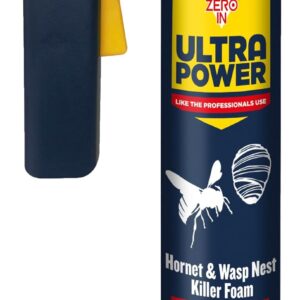
Zero In Ultra Power Wasp & Hornet Nest Killer Foam – 600ml | 4m Range, Indoor & Outdoor Use
Original price was: £12.99.£7.27Current price is: £7.27. Buy Now -
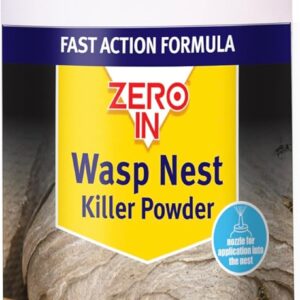
Zero In Wasp Nest Control Powder – 300g | Kills Wasps at the Nest, Indoor & Outdoor Use
£5.50 Buy Now
Wasps vs bees: why it matters
Getting the identification right changes everything about how you should respond. Common wasps are smooth, bright yellow-and-black, and can sting repeatedly without dying — a wasp nest that feels threatened can result in multiple stings from multiple insects. Honeybees are fuzzier, more amber-brown, and die after stinging once, so they’re generally far less aggressive unless the hive itself is disturbed. Bumblebees are large, round, and very docile, rarely stinging unless directly handled or trodden on. Bees of all kinds are also protected pollinators, which is a major reason removal approaches differ so much between wasps and bees.
Signs of a nest nearby
A steady stream of wasps or bees flying in and out of a single point — a roof void, airbrick, hole in the ground, or gap in brickwork — is the clearest sign of an active nest. Wasp nests are made from a distinctive grey, papery material and are often found in lofts, wall cavities, and sheds. Activity increases noticeably from late spring through summer as the colony grows, and a nest that seemed small in June can be considerably larger by August.
Sting risks and allergic reactions
Most wasp and bee stings cause short-lived pain, swelling, and localised itching that settles within a day or two. A small number of people have a genuine allergy and can develop a more serious reaction — swelling beyond the sting site, difficulty breathing, or dizziness — which requires urgent medical attention rather than home treatment. If you or a family member has a known sting allergy, keeping any prescribed emergency medication accessible during the warmer months, when nests are most active, is a sensible precaution.
DIY vs professional nest removal
A small, newly started wasp nest — often no bigger than a golf ball, usually found in spring — can sometimes be treated with an off-the-shelf wasp nest killer powder or foam applied directly into the entrance at dusk, when activity is lowest and most wasps are inside. Protective clothing covering skin fully, and a clear escape route planned in advance, are essential even for a small nest.
A larger, established nest — anything bigger than a tennis ball, or one positioned somewhere awkward to reach safely, like high up under roofing felt — is genuinely a job for a professional. Trained technicians have protective equipment rated for multiple stings and access to professional-strength treatments that work faster and more reliably than consumer products.
What to do if it’s bees, not wasps
Because bees are protected pollinators, killing them isn’t the default approach the way it often is with wasps. A small bumblebee nest in a compost heap or under a shed is usually best left alone until the colony naturally dies off at the end of the season — bumblebee nests are small and rarely persist. If you find a honeybee swarm or an established colony in a wall cavity, a local beekeeping association can often arrange safe collection and rehoming rather than destruction, which is both the more responsible option and often free.
Preventing nests next season
Sealing gaps in roof eaves, airbricks, and wall cavities before spring removes the void spaces queens look for when starting a new nest each year. Keeping outdoor bins covered and sealed reduces the food source that draws foraging wasps toward the house in late summer, when natural food sources become scarcer and wasps turn to sugary human food and drinks instead.
FAQ
How do I know if it’s a wasp nest or a bee nest?
Wasp nests are made of a distinctive grey, papery material, while bees don’t build that kind of exposed structure — a honeybee colony builds wax comb inside a cavity, and bumblebees nest in loose material like old bird boxes or compost. If you’re not sure, a photo from a safe distance can help a professional identify it before you approach further.
Can I treat a wasp nest myself?
A small, newly started nest can sometimes be treated with an off-the-shelf product applied at dusk, with full protective clothing. Larger or established nests, and any nest if you have a sting allergy, are safer left to a professional.
Should I remove a bee nest?
Not usually. Bees are protected pollinators, and a small bumblebee nest will typically die off naturally by autumn. For an established honeybee colony, a local beekeeping association can often relocate it safely rather than destroying it.
Why are there more wasps around in late summer?
Wasp colonies peak in size in August and September, and their natural food sources start to run low, which is why they turn up around bins, barbecues, and sugary drinks more noticeably at that time of year.
This page contains affiliate links, including to Amazon. As an Amazon Associate, Pest Expert may earn from qualifying purchases at no extra cost to you. Recommendations are based on independent research, not paid placements. Always follow product label instructions, and consult a licensed pest control professional for infestations that don’t respond to DIY treatment.
📋 Quick Facts
- 🐝Wasps can sting repeatedly; honeybees sting once and die
- 🏗️Wasp nests are made from a distinctive grey papery material
- 🐛Bees are protected pollinators, not a default kill target
- 🌇Treat nests at dusk when activity is lowest
🛒 Wasp Nest Treatments
Nest killer powder and full protective clothing cover a small, newly started nest treated safely.
Shop wasp nest control on Amazon →⚠️ Known sting allergy in the house?
Don’t attempt DIY nest removal — leave it to a professional and keep any prescribed emergency medication accessible during wasp season.
Found a nest and not sure what to do?
Identifying it correctly is the first step. Browse our other guides or get in touch if you’d like a hand.