Cluster Flies Control Guide
Why they gather in lofts every autumn, whether they’re a health risk, and how to stop the cycle repeating next year.
Recommended Cluster Fly Control Products
-
Sale!
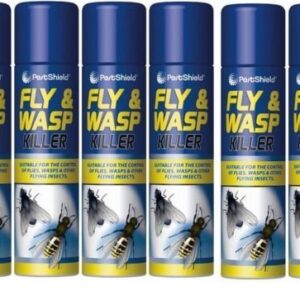
6 x 300ml Fly & Wasp Killer Spray – Kills Flies, Wasps, Flying Ants, Midges & Mosquitoes
Original price was: £10.75.£10.19Current price is: £10.19. Buy Now -
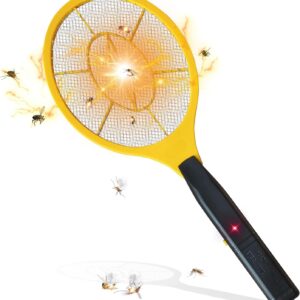
Electric Fly Zapper Racket – Bug Zapper & Fly Swatter with Protective Mesh, Mosquito & Insect Killer for Indoor & Outdoor Use
£7.99 Buy Now -
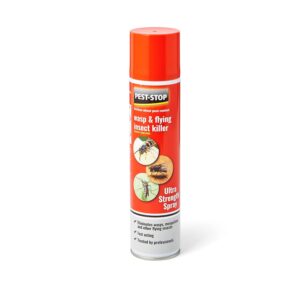
Pest-Stop Wasp & Fly Killer Spray 300ml – Fast-Acting Indoor Insect Control for Wasps, Flies & Mosquitoes, Low Odour
£7.55 Buy Now -
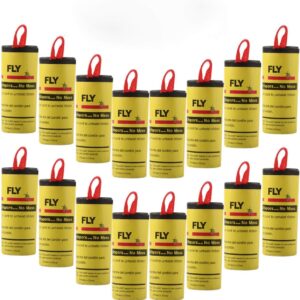
RAM® 20-Pack Pesticide-Free Fly Paper – Sticky Fly Traps for Indoor & Greenhouse Use
£4.49 Buy Now -
Sanex Fly & Wasp Killer Spray 300ml – Fast-Acting Flying Insect Control for Flies & Wasps
£2.15 Buy Now -
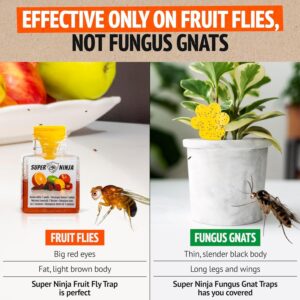
Super Ninja Fruit Fly Traps – 2 Pack, Effective Fruit Fly Killer for Home & Kitchen, Up to 3 Weeks Protection, Child & Pet Friendly
£9.99 Buy Now
What are cluster flies
Cluster flies are slightly larger and slower-moving than the common house fly, with a distinctive golden, slightly hairy sheen visible up close. Unlike house flies, they’re not drawn to food waste or decaying matter — their life cycle depends on earthworms, which their larvae parasitise outdoors during the warmer months, before the adults seek somewhere sheltered to spend winter.
Why they gather in your loft
As temperatures drop in autumn, cluster flies look for a sheltered, dry space to overwinter, and a loft void — warm from the house below, dark, and undisturbed — is close to ideal. They release a pheromone as they settle that attracts more of the same species to the same spot, which is why a loft can go from a few flies to hundreds over the course of a few years if the entry points and pheromone trail aren’t dealt with. On warmer winter days, or as spring approaches, flies that have been dormant become active again and can find their way into living space through loft hatches and light fittings, often confusing homeowners who assumed the problem was long gone.
Are they a health risk
Cluster flies don’t bite, don’t breed indoors, and aren’t linked to disease transmission the way house flies can be, since they’re not moving between waste and food. The main issue is genuinely one of nuisance and scale — large numbers clustering in a loft or appearing in a room can be distressing to deal with, and dead flies accumulating in a loft space over winter can eventually create their own secondary smell and attract other opportunistic pests like carpet beetles that feed on the dead insects.
DIY control once they’re inside
For flies already active inside a room, sticky traps or a UV fly trap near windows (where flies gather, drawn to light) are effective and avoid needing to spray indoors. Vacuuming clusters directly from loft timbers and walls is the most practical way to deal with larger numbers before they disperse into living space.
Treating the loft itself with an insecticide labelled for cluster flies, applied to the timbers and eaves in early autumn before flies arrive to overwinter, is the more thorough approach and tends to reduce numbers significantly for the following season, though it works best as a preventative measure rather than once flies have already clustered.
Sealing up before autumn
Because cluster flies enter through small gaps around roof tiles, soffits, and eaves, checking and sealing these in late summer — before the flies start looking for a place to overwinter — is far more effective than trying to keep them out once they’ve already found a way in. Fitting fine mesh over roof vents and repairing damaged soffit boards covers most of the common entry points on an older property.
When to call a professional
A handful of cluster flies appearing on sunny winter days is manageable with a vacuum and sticky traps. It’s worth calling a professional if numbers are large enough to be a genuine nuisance year after year, since a professional loft treatment applied at the right time in early autumn is considerably more effective at preventing the problem from building than DIY sprays applied once flies are already present, and a technician can also help identify and seal the specific entry points on your roofline that a homeowner might miss.
FAQ
Why do I suddenly get flies in my loft every winter?
Cluster flies seek a sheltered space to overwinter in autumn, and a loft void is ideal — warm, dark, and undisturbed. They release a pheromone that draws more flies to the same spot, which is why numbers often build year after year if the loft isn’t treated.
Do cluster flies bite or spread disease?
No. They don’t bite and aren’t linked to disease transmission, since their life cycle depends on earthworms outdoors rather than food waste or decaying matter.
Why are there flies in my house on a sunny winter day?
Cluster flies overwintering in a loft can become active again during warmer spells, even in winter, and find their way into living space through loft hatches or light fittings.
What’s the best time to treat a loft for cluster flies?
Early autumn, before the flies arrive looking for somewhere to overwinter, is the most effective time for a preventative loft treatment.
This page contains affiliate links, including to Amazon. As an Amazon Associate, Pest Expert may earn from qualifying purchases at no extra cost to you. Recommendations are based on independent research, not paid placements. Always follow product label instructions, and consult a licensed pest control professional for infestations that don’t respond to DIY treatment.
📋 Quick Facts
- 🪰Cluster flies overwinter in lofts, not food waste
- 🐛Their larvae parasitise earthworms outdoors
- ❄️They can reactivate on warm winter days
- 🍂Early autumn is the best time to treat a loft
🛒 Loft Fly Treatment
UV traps and loft-labelled insecticide treatment cover most cluster fly problems.
Shop cluster fly control on Amazon →⚠️ Treating your own loft?
Wear a dust mask and ventilate well — both insecticide dust and accumulated fly debris can irritate the lungs in a confined space.
Loft full of flies again this year?
Early autumn treatment breaks the cycle. Browse our other guides or get in touch if you’d like a hand.