Cockroach Control Guide
How to spot an infestation early, why gel bait beats spray, and when a cockroach problem needs a professional.
Recommended Cockroach Control Products
-
Sale!
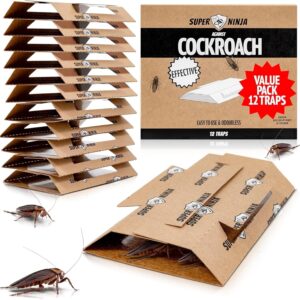
12-Pack Ninja Cockroach Traps – Indoor Roach Control, Safe & Toxin-Free, with Food Attractant for Home, Garage & Shed
Original price was: £14.79.£13.90Current price is: £13.90. Buy Now -
Sale!
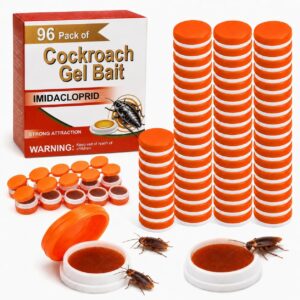
96 Pack Roach Bait Stations – Indoor & Outdoor Cockroach Traps | Ready-to-Use, Easy Placement
Original price was: £19.99.£14.99Current price is: £14.99. Buy Now -
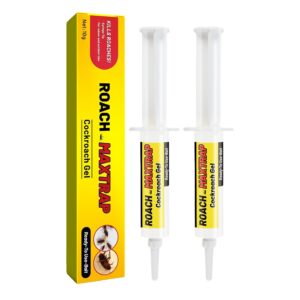
Cockroach Killer Gel Bait – Powerful Roach Trap & Eliminator, Long-Lasting Indoor Cockroach Control
£9.99 Buy Now -
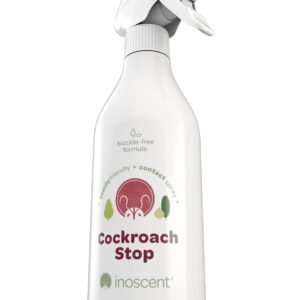
Cockroach Killer Spray 500ml – Indoor & Outdoor | Non-Toxic, Pet & Family Safe, Ready to Use
£13.99 Buy Now -
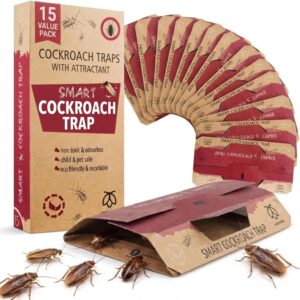
Pestmatic® Smart Cockroach Traps – 15 Pack | Sticky Traps with Food Bait, Non-Toxic & Safe
£15.90 Buy Now
Signs of a cockroach problem
Cockroaches are highly nocturnal and light-averse, so seeing one moving around in daylight is a strong sign of a larger hidden population rather than an isolated visitor. Other tell-tale signs include small, dark droppings resembling ground coffee or black pepper along skirting boards and inside cupboards, a persistent musty or oily odour in kitchens, and egg cases (oval, brown capsules) tucked behind appliances or in cracks. Smear marks — smudgy brown streaks along surfaces where roaches travel repeatedly — are another giveaway, especially near pipework and warm appliances like fridges and boilers.
Common species and where they hide
The German cockroach is the one most homeowners encounter — small, light brown, and strongly drawn to warmth and moisture, which is why kitchens and bathrooms are the usual hotspots. It reproduces faster than most other species, so a small sighting can become a real infestation within weeks if ignored. The larger Oriental cockroach prefers cooler, damper areas like drains, basements, and outdoor bin stores, and tends to move indoors when the weather turns.
Both species favour tight, dark gaps: behind kickboards, inside appliance motor housings, under sinks, and around pipe penetrations through walls. Cardboard and paper packaging are also common harbourage, since roaches can hide in the corrugated layers.
Health risks and why they matter
Cockroaches are a genuine hygiene concern rather than just an unpleasant sight. They can pick up and spread bacteria — including E. coli and Salmonella — as they move between drains, bins, and food preparation surfaces. Their shed skins and droppings are also a recognised trigger for asthma and allergic reactions, particularly in children, which is one reason cockroach infestations are treated as a genuine health and safety matter rather than a purely cosmetic one.
What attracts cockroaches
Cockroaches need three things to establish themselves: food, moisture, and warmth. Grease residue on cooker hoods and hobs, crumbs left in toasters, pet food left out overnight, and standing water in sinks or under fridges are the most common draws. Cluttered areas — stacks of cardboard, unused appliances, overfull cupboards — give them the dark, undisturbed hiding spots they need to breed undisturbed.
DIY control: gel bait vs sprays
As with most crawling insects, gel bait consistently outperforms spray for genuine elimination. Sprays kill on contact but do nothing to the hidden nest behind the fridge or under the sink; gel bait is picked up by a roach, carried back to the harbourage, and shared with others through grooming and contact — a slow but far more thorough way to collapse a population. Place small dots of gel along known travel routes: behind appliances, in cupboard corners, and near pipe entries, rather than in open, exposed areas.
Insect growth regulators (IGRs), often sold alongside bait, work differently — they interrupt the reproduction cycle rather than killing on contact, and are especially useful for slowing down a fast-breeding German cockroach population while the gel bait works on the visible adults.
When to call a professional
A handful of roaches spotted after gel bait placement, with numbers dropping over one to two weeks, is a normal and manageable DIY situation. It’s worth calling a licensed pest controller if you’re seeing roaches regularly during the day (a sign of a well-established colony), if the problem is in a shared wall with a neighbouring property (common in flats, where reinfestation from next door is common), or if gel bait hasn’t visibly reduced activity after three to four weeks. Professionals also have access to stronger, non-repellent insecticides and can treat void spaces behind walls that a homeowner can’t reach.
FAQ
Why do I see cockroaches at night but never during the day?
Cockroaches are naturally light-averse and most active after dark. Seeing one in daylight usually means the hidden population is large enough that some individuals are being forced out to forage.
Do cockroach sprays actually work?
Sprays kill roaches on contact but don’t reach the nest behind appliances or in wall voids. Gel bait, carried back to the colony, is far more effective for actually clearing an infestation rather than just the roaches you can see.
How long does gel bait take to clear a cockroach problem?
Most infestations show a clear drop in activity within one to two weeks of consistent gel bait placement, with full clearance taking three to four weeks depending on how established the colony was.
Are cockroaches a sign my house is dirty?
Not necessarily — cockroaches are drawn to any available food, moisture and warmth, and can turn up in very clean homes, especially in flats and terraces where they travel between neighbouring properties through shared pipework and walls.
This page contains affiliate links, including to Amazon. As an Amazon Associate, Pest Expert may earn from qualifying purchases at no extra cost to you. Recommendations are based on independent research, not paid placements. Always follow product label instructions, and consult a licensed pest control professional for infestations that don’t respond to DIY treatment.
📋 Quick Facts
- 🪳German cockroaches reproduce faster than most other species
- 💧Roaches need food, moisture and warmth to establish
- 🫁Shed skins and droppings can trigger asthma and allergies
- 🌙Daytime sightings usually mean a larger hidden population
🛒 Gel Bait & IGR Kits
Gel bait combined with an insect growth regulator covers most kitchen cockroach problems.
Shop cockroach gel bait on Amazon →⚠️ Living in a flat?
Cockroaches travel easily through shared pipework between neighbouring units — treating your own flat may not fully solve the problem without neighbouring cooperation.
Spotted a cockroach in your kitchen?
Act early — gel bait works best before a colony gets established. Browse our other guides or get in touch.